Robot vacuums and mops
Navigation, pet hair, carpets, small apartments, mopping on hardwood and camera privacy: the features that change daily results.
As an Amazon Associate we earn from qualifying purchases. Product links on this page are affiliate links: buying through them costs you nothing extra and does not change what we recommend.
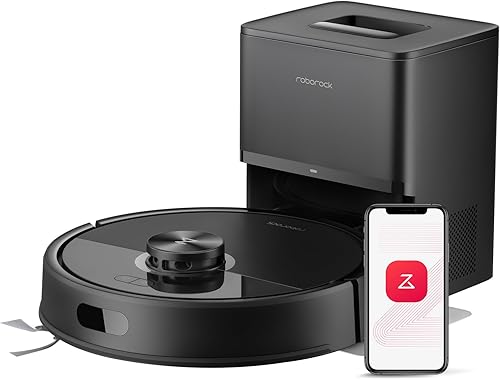
roborock Q7 M5+ robot vacuum and mop
Best for: Small apartments and homes with pets where daily vacuuming matters.
- Self-empty dock suits busy households and pet hair
- Vacuums and mops
- The dock needs floor space and an outlet
- Replacement bags are an ongoing cost
Name, photo and listed features checked on Amazon.com on November 14, 2026. We have not tested it; see how we choose.
Robot vacuums differ less in suction numbers than in navigation, brush design and maintenance. A home with pets, thick rugs or a lot of cords needs different features than a small apartment with hard floors.
Models with cameras for obstacle avoidance raise privacy questions; our pages explain which settings to check and where lidar-only navigation is enough.
Where to start: measure your floors and furniture
- Clearance. Measure the gap under the sofa, beds and cabinets, then compare with the robot’s height, including any lidar turret on top. Many robots stand roughly 3 to 4 in tall.
- Thresholds and rugs. Measure door thresholds and rug thickness against the robot’s stated climbing height; see robot vacuums on thick carpet.
- Floors and stairs. One level or several decides whether multi-floor mapping matters; read robots for a two-story home.
- Dock space. The dock needs a wall outlet and clear floor in front and to the sides; a self-emptying dock is taller and louder.
Prepare the room and set up the map
The first run builds the map, so give the robot an easy job. Open interior doors, pick up cords, socks and toy pieces, and lift rug fringes or long curtains. Camera-guided robots map more reliably with lights on. After the map appears, split it into rooms, name them the way you speak, and add no-go zones around pet bowls, floor vents and cables you cannot move. Obstacle avoidance helps but misses things, especially pet accidents, so schedule runs after a quick check of the floor. Our upkeep kit lists boundary strips and cord clips.
Typical budget ranges and running costs
The running costs are what most buyers overlook: bags, filters and brushes recur every year for as long as you keep the robot. Compare manual and self-emptying models in self-emptying vs manual bin.
Kits 1
Guides 6
 GuideRobot vacuum for pet hair: what to look forPet hair tangles brushes, fills small bins and spreads when a robot meets an accident. Check brush design, bin size, filter and obstacle detection…GuideRobot vacuum for thick carpet and rugs: what to checkThick carpet defeats many robot vacuums. Learn what suction numbers really tell you, how to read climbing height and what to do with shag rugs…GuideRobot vacuum for a small apartment: size, noise and dockA small apartment needs a robot that fits under furniture, docks in a tight spot and runs without annoying neighbors. Here are the measurements and…GuideRobot vacuum cameras and privacy: settings to checkSome robot vacuums use cameras to avoid obstacles. Before you enable one, learn what the images are used for, where they go and which settings and…GuideRobot mops on hardwood floors: what to check firstWood and water do not mix well. Before a robot mop touches your hardwood, check your floor finish, the maker’s care instructions, the water flow…GuideWhich robot vacuum for a multi-floor home?A robot vacuum cannot climb stairs, so a two-story home means carrying one robot, buying two or choosing a model that remembers each floor. Here is…
Comparisons 3
ComparisonRobot vacuum vs cordless stick vacuum: what each does wellA robot keeps floors tidy every day while you are out; a cordless stick vacuum does the deep clean, the stairs and the spills. See which one fits…ComparisonLidar vs camera robot vacuums: how each one navigatesLidar maps a room with a laser; camera-based robots map with images. They differ in darkness, obstacle recognition and privacy. See what each means…ComparisonSelf-emptying dock or manual bin: which robot vacuum fits you?A self-emptying dock empties the dustbin for you but adds cost, bags and bulk. A manual bin is simpler and cheaper. See which one fits your floors…Frequently asked questions
How often should robot vacuum filters and brushes be replaced?
Follow the maker’s schedule, which the app often tracks with counters. As a rough guide, filters and side brushes wear out within a few months of regular use and main brushes last longer; homes with pets usually replace them sooner.
Sources
- Amazon.com listing: roborock Q7 M5+ Robot Vacuum and Mop, Up to 7-9 Weeks Self-Empty, 10000Pa (ASIN B0DWX69JVG), checked November 14, 2026
Product names, photos and listed features were checked on the Amazon.com product pages on November 14, 2026. Prices and availability change; the retailer page is always the reference.